Stop Before Adding Chemistry
Do not flood the spot with nail polish remover, acetone or a second household cleaner.

Nail polish remover is made to dissolve polish. When it is poured directly onto carpet, it can affect the color, fiber, backing or adhesive—and turn one stain into permanent carpet damage.
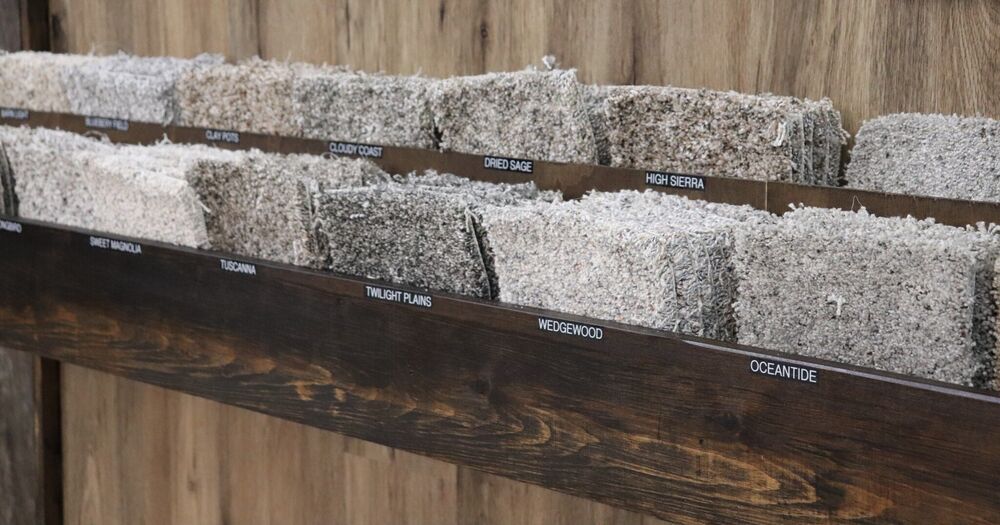
Do not pour nail polish remover directly onto carpet. Many removers contain acetone or other strong solvents. Carpet is more than the yarn you see: liquid can reach the backing, latex, adhesive and pad underneath.
A treatment that seems to lift the polish may also remove carpet color, change the texture or weaken materials below the surface.
A careful first response gives you the best chance of avoiding a larger, permanent spot.
Do not flood the spot with nail polish remover, acetone or a second household cleaner.
For a fresh spill, use a clean white absorbent towel and blot carefully. Avoid rubbing the polish into a wider area.
Check the manufacturer’s care directions or contact a qualified carpet-cleaning professional before treating the remaining stain.
Different carpet fibers, dyes and backings react differently to solvents. A method used on one carpet may discolor or damage another. Always identify the carpet and follow its approved care instructions before using a specialty spot remover.
Keep the area away from flames or sparks, ventilate the room and follow the safety instructions printed on the product. Blot without spreading or saturating the carpet. Do not combine the remover with another chemical. When calling a professional, tell them exactly which product spilled and what else has been applied.
The goal is not simply to dissolve nail polish. The goal is to remove the spot while protecting the carpet’s color, fiber and construction.
Start with free samples, a free measure and a free written quote.